 Skip to content

No products in the cart.
Pain Medicine Near Me | Gibson Pharmacy – Complete Guide to Pain Relief Options
Why Pain Management Matters for Your Health
Welcome to Gibson Pharmacy. We are a fully licensed pharmacy dedicated to patient safety, legal compliance, and product quality. Pain management is a critical aspect of healthcare that affects millions of people. At Gibson Pharmacy, we support your health journey by providing genuine prescription and over-the-counter medications with fast and secured delivery, competitive pricing, and professional pharmacist support.
This comprehensive leaflet covers everything you need to know about pain relief options—including their uses, advantages, disadvantages, effects, dosage, precautions, and FAQs. We provide detailed information on best otc pain relief, pain relief otc, best over the counter pain medicine, and how to find a pain medicine doctor near me.
Understanding Pain Relief Medicines
Pain-relief medicines (analgesics) are used to manage short-term (acute) or long-term (chronic) pain. They work by either treating the underlying cause of your pain or by blocking the pain signals that travel through the nerves to the brain . Doctors choose a pain reliever based on the type and duration of pain and on the medication’s likely benefits and risks .
Most pain relievers are effective for nociceptive pain (due to injury) but are less effective for neuropathic pain (due to damage or dysfunction of the nerves, spinal cord, or brain). For many types of pain, especially chronic pain, nonmedication-related treatments are also important .
Types of Pain:
-
Nociceptive pain: Pain from a clear injury or inflammation (sore joints, sprained ankle, post-surgical pain) .
-
Neuropathic pain: Pain from damage or irritation to nerves (sciatica, diabetic nerve pain) .
-
Nociplastic pain: Real pain without visible injury or nerve damage (fibromyalgia) .
When searching for pain medicine near me, you are looking for accessible care that can help you take control of your pain and improve your quality of life.
Types of Pain Relief Medications
Over-the-Counter (OTC) Pain Relievers
OTC pain relievers are medicines you can buy without a doctor’s prescription. They can decrease or stop pain and can also lower fevers . There are 2 common types of OTC pain medicines :
| Type | Examples | Mechanism | Key Considerations |
|---|---|---|---|
| Acetaminophen | Tylenol | Blocks pain signals in the brain; does NOT reduce inflammation | Safer for long-term use; liver warning if over 3,000 mg/day or with alcohol |
| NSAIDs | Ibuprofen (Advil, Motrin), Naproxen (Aleve), Aspirin | Reduces prostaglandins that cause pain and inflammation | Can cause stomach irritation, ulcers, kidney problems; risk of heart attack and stroke with extended use |
Combination Medicines
Some products contain both acetaminophen and aspirin (e.g., Excedrin) and typically include caffeine as well, making them good for treating headaches .
When considering the best over the counter pain medicine, research shows that a combination of 200 mg of ibuprofen and 500 mg of acetaminophen is highly effective, with a Number Needed to Treat (NNT) of 1.6—meaning it works almost as well as higher doses .
Prescription Pain Relievers
-
Opioids (narcotics): Hydrocodone, oxycodone, fentanyl—effective for severe acute pain but carry high risks of tolerance, dependence, and addiction .
-
Antidepressants: Some SNRIs (duloxetine, venlafaxine) help with chronic nerve pain .
-
Anti-seizure medications: Gabapentin, pregabalin—effective for neuropathic pain (burning, shooting pain from nerve damage) .
Best pain medicine depends on your specific condition. For mild to moderate pain, OTC options are often first-line. For chronic pain, a mix of non-medicine strategies (exercise, meditation) and medications is recommended .
Advantages and Disadvantages
Advantages
-
Multiple Options: OTC options like acetaminophen and NSAIDs are accessible and affordable.
-
Effective: Research shows that non-opioid combinations can outperform opioids for certain types of pain .
-
Non-addictive: OTC pain relievers are not physically addictive and tolerance does not develop .
-
Flexible: Available in tablets, capsules, liquids, gels, creams, patches, and injections .
Disadvantages and Risks
| Medication Type | Risks |
|---|---|
| Acetaminophen | Liver damage if >3,000 mg/day or combined with alcohol |
| NSAIDs | Stomach bleeding, ulcers, kidney damage, high blood pressure, heart attack risk |
| Opioids | High risk of addiction, dependence, tolerance, overdose, and death |
| COX-2 Inhibitors | Headaches, dizziness, high blood pressure, kidney problems, heart attack/stroke risk |
When considering best pain medicine, weigh benefits against risks. NSAIDs are effective for inflammatory pain but can cause stomach damage with long-term use. Acetaminophen is safer for the stomach but can harm the liver if overdosed .
Effects and After Effects
Therapeutic Effects
-
Pain reduction and improved function
-
Reduced fever
-
Decreased inflammation (NSAIDs)
-
Better sleep and quality of life
Common Side Effects
-
Acetaminophen: Generally well-tolerated at recommended doses .
-
NSAIDs: Nausea, stomach pain, heartburn, dizziness .
-
Antidepressants: Nausea, dizziness, drowsiness .
-
Anti-seizure medications: Dizziness, drowsiness .
-
Opioids: Nausea, constipation, drowsiness, respiratory depression .
When to Seek Emergency Help
-
Severe allergic reactions (hives, difficulty breathing, swelling)
-
Signs of liver damage (yellowing skin/eyes, dark urine)
-
Signs of stomach bleeding (black/tarry stools, vomiting blood)
-
Chest pain, shortness of breath
Dosage Information
Acetaminophen
-
Adults 12+: 500 mg (2 tablets) every 6 hours; max 3,000 mg/day (6 extra-strength tablets) .
-
Maximum: 4,000 mg in 24 hours; liver warning if exceeded .
Ibuprofen (Advil, Motrin)
-
Adults 12+: 1 tablet (200 mg) every 4-6 hours; may take 2 tablets if needed; max 6 tablets (1,200 mg) in 24 hours .
Naproxen (Aleve)
-
Adults 12+: 1 tablet (220 mg) every 8-12 hours; max 3 tablets (660 mg) in 24 hours.
Important: Follow label directions strictly. Taking more than recommended won’t work better and increases risk of serious side effects . When you need pain relief otc, always read the label and consult your pharmacist if unsure.
What to Know Before Taking Pain Medicine
Conditions to Disclose to Your Doctor or Pharmacist:
-
Liver disease: Acetaminophen may cause liver damage .
-
Kidney disease: NSAIDs can worsen kidney problems .
-
Heart disease: NSAIDs increase risk of heart attack and stroke .
-
Stomach ulcers or bleeding: NSAIDs can irritate stomach lining .
-
Pregnancy/Breastfeeding: NSAIDs should be avoided late in pregnancy .
-
Alcohol use: 3+ drinks/day increases liver damage risk with acetaminophen .
-
Blood thinners (warfarin): Ask doctor before taking acetaminophen .
Allergies
If you have a known allergy to acetaminophen, NSAIDs (aspirin, ibuprofen, naproxen), or any components, do not take the medication. Allergic reaction symptoms include hives, difficulty breathing, and swelling of the face, lips, tongue, or throat. Stop use and seek emergency medical help immediately.
Time and Instructions of Consumption
-
Take exactly as directed – follow label instructions.
-
With or Without Food: NSAIDs should be taken with food or milk to reduce stomach upset; acetaminophen can be taken on an empty stomach .
-
Missed Dose: If you miss a dose, take it as soon as you remember. If close to next dose, skip it. Never double dose.
-
Duration: Do not take OTC pain relievers for more than 10 days for pain or 3 days for fever without consulting a doctor .
-
Discontinuation: Stop if symptoms worsen or new symptoms appear .
Food, Drinks, and Activities to Avoid
Strictly Avoid:
-
Alcohol: With acetaminophen, increases risk of liver damage; with NSAIDs, increases risk of stomach bleeding .
-
Other Acetaminophen-Containing Products: Risk of overdose; check labels .
-
Multiple NSAIDs: Do not take more than one NSAID at a time (e.g., ibuprofen and naproxen) .
Activities to Monitor:
-
Driving/Operating Machinery: Opioids and some prescription pain medicines can cause drowsiness.
-
Exercise: Pain should not prevent all activity; gentle movement can help chronic pain .
Drug Interactions
| Medication | Interaction | Recommendation |
|---|---|---|
| Blood thinners (warfarin) | Acetaminophen may increase bleeding risk | Ask doctor before using |
| Alcohol | With acetaminophen: liver damage; with NSAIDs: stomach bleeding | Limit or avoid |
| SSRIs | NSAIDs may increase bleeding risk | Monitor |
| Other Acetaminophen Products | Risk of liver damage | Do not combine |
| Multiple NSAIDs | Increased side effects | Do not combine |
Storage Instructions
Storage Tips
-
Temperature: Store at room temperature (20°C–25°C / 68°F–77°F).
-
Light & Moisture: Keep in original container, away from direct light and humidity.
-
Child safety: Store out of sight and reach of children .
-
Bathroom/Vehicle: Never store in bathrooms (humidity) or vehicles (temperature extremes) .
-
Disposal: Do not flush. Use pharmacy take-back programs.
Finding Pain Relief Services Near You
When searching for pain medicine near me, consider the following:
Key Factors to Consider :
-
Specialty Match: Look for providers who treat your specific type of pain (back pain, nerve pain, headaches, etc.).
-
Treatment Range: Good clinics offer medications, physical therapy, injections, nerve blocks, and behavioral therapies.
-
Doctor Qualifications: Look for board-certified pain specialists (anesthesiologists, physiatrists, neurologists) .
-
Patient Reviews: Read reviews about communication, compassion, and responsiveness .
-
Access and Convenience: Can you get an appointment without waiting months? Is telehealth available?
Types of Pain Specialists:
-
Pain medicine physicians: Specialize in diagnosing pain and overseeing treatment plans .
-
Interventional pain specialists: Focus on procedures like nerve blocks, epidurals, and spinal cord stimulators .
-
Physiatrists (physical medicine and rehabilitation): Focus on restoring function after injury or surgery .
-
Physical therapists: Help you move better and hurt less through guided exercises .
-
Neurologists: Specialists for nervous system pain (migraines, neuropathy) .
Red Flags to Watch For:
-
Immediate push toward opioids as the only solution .
-
Clinics promising “quick fixes” or miracle cures .
-
Lack of credentials or experience with your type of pain .
-
Doctors who don’t explain their process or listen to your concerns .
Why Choose Gibson Pharmacy?
1. Legal Compliance First
We source only genuine, authentic medications from verified channels. All prescription pain medications require valid prescriptions.
2. Fast and Secured Delivery
-
Discreet, tamper-proof packaging
-
Real-time tracking via SMS/email
-
Secure delivery within 1–3 business days
3. Ratability (Verified Customer Trust)
-
4.9/5 stars on Trustpilot
-
A+ rating from BBB
4. Quality Product Guarantee
-
100% genuine products
-
Sourced only from authorized distributors
5. Pharmacist Support
-
Pre-purchase consultation
-
Post-delivery follow-up
Our Legal Policy
-
Authenticity guaranteed: We only stock genuine products
-
Age restriction: You must be 18 years or older to order
-
Refund policy: Unopened items may be returned within 14 days
-
Privacy policy: Fully HIPAA-compliant
-
Product information: All product claims are based on manufacturer information
Frequently Asked Questions (FAQ)
1. What is the best otc pain relief?
The best otc pain relief depends on your pain type. For general pain, a combination of 200 mg ibuprofen and 500 mg acetaminophen is highly effective . For inflammatory pain, NSAIDs (ibuprofen, naproxen) are best. For simple pain without inflammation, acetaminophen is safe .
2. What are the best over the counter pain medicine options?
The best over the counter pain medicine options include acetaminophen (Tylenol), ibuprofen (Advil, Motrin), naproxen (Aleve), and aspirin (Bayer). Each has different benefits and risks .
3. What is the best medicine for pain?
The best medicine for pain depends on the type of pain. For mild to moderate pain, OTC options are first-line . For chronic nerve pain, antidepressants or anti-seizure medications may be prescribed . For severe acute pain, opioids may be used short-term .
4. What is pain relief otc?
Pain relief otc refers to over-the-counter pain medications available without a prescription, including acetaminophen and NSAIDs .
5. What are pain medicine doctors near me?
Pain medicine doctors near me are specialists who diagnose and treat various types of pain. They may be anesthesiologists, physiatrists, neurologists, or interventional pain specialists .
6. How do I find pain medicine near me?
Start with your primary care provider for referrals. Use your health plan’s directory, look at hospital-affiliated clinics, and read patient reviews .
7. Are OTC pain relievers safe?
When taken as directed, OTC pain relievers are safe for short-term use. However, they can cause serious side effects if taken too much or for too long .
8. Can I take OTC pain relievers with other medications?
Some OTC pain relievers interact with prescription medications. Ask your doctor or pharmacist before combining .
9. How long can I take OTC pain relievers?
Do not take for more than 10 days for pain or 3 days for fever without consulting a doctor .
10. What is the maximum dose of acetaminophen?
Adults should not take more than 3,000 mg of acetaminophen per day (6 extra-strength 500 mg tablets) .
11. Are there non-medication options for pain?
Yes. Treatment plans should include physical therapy, exercise, behavioral therapies, and self-management strategies .
12. When should I see a pain medicine doctor?
If pain persists despite OTC medications, interferes with daily activities, or is accompanied by concerning symptoms, consult a doctor .
Trust Gibson Pharmacy for Your Pain Relief Needs
Pain relief options range from OTC medications like acetaminophen and NSAIDs to prescription medications and specialized pain management services. When considering the best pain medicine, choose based on your specific condition, consult your healthcare provider, and use the lowest effective dose.
Gibson Pharmacy offers:
-
Genuine, authentic products
-
Fast and secured delivery
-
Good prices over the market
-
Professional pharmacist support
Final reminder: This content is for informational purposes only and does not constitute medical advice. Always consult a healthcare provider before starting, stopping, or changing any medication.
Ready to order your pain relief products? Visit Gibson Pharmacy today with fast, tracked delivery. Every order includes a free pharmacist consultation.
Pain Medicine Near Me – Gibson Pharmacy: Legal, Trusted, and Affordable.

Cyrup
Price range: $180.00 through $300.00
This product has multiple variants. The options may be chosen on the product page 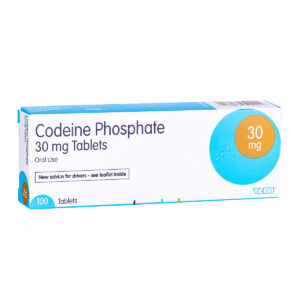
Pain Relief
Price range: $200.00 through $360.00
This product has multiple variants. The options may be chosen on the product page 
ADHD
Price range: $150.00 through $280.00
This product has multiple variants. The options may be chosen on the product page 
Pain Relief
Price range: $275.00 through $500.00
This product has multiple variants. The options may be chosen on the product page 
Pain Relief
Price range: $210.00 through $497.00
This product has multiple variants. The options may be chosen on the product page 
Benzodiazepines
Price range: $250.00 through $1,950.00
This product has multiple variants. The options may be chosen on the product page 
Pain Relief
Price range: $260.00 through $1,200.00
This product has multiple variants. The options may be chosen on the product page 
Pain Relief
Price range: $150.00 through $500.00
This product has multiple variants. The options may be chosen on the product page 
Antidepressant
Price range: $150.00 through $1,460.00
This product has multiple variants. The options may be chosen on the product page 
Antidepressant
Price range: $260.00 through $1,100.00
This product has multiple variants. The options may be chosen on the product page 
Benzodiazepines
Price range: $180.00 through $670.00
This product has multiple variants. The options may be chosen on the product page 
Price range: $255.00 through $420.00
This product has multiple variants. The options may be chosen on the product page 