 Skip to content

No products in the cart.
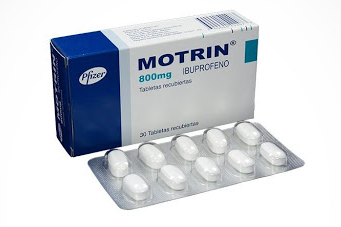
MOTRIN 800 MG


Price range: $150.00 through $390.00
Pain from a variety of ailments, including headaches, tooth pain, menstrual cramps, aches in the muscles, and arthritis, can be relieved with ibuprofen. Additionally, it is used to lower fever and ease mild discomfort brought on by the flu or common cold. One nonsteroidal anti-inflammatory medication (NSAID) is ibuprofen.
N:B . PLEASE DO NOTIFIY US WHICH MG YOU WILL BE NEEDING FOR YOUR ORDER
Gibson Pharmacy – Complete Guide to MOTRIN (Ibuprofen) for Pain and Fever Relief And Motrin vs Advil

Gibson Pharmacy is a fully licensed, legal pharmacy operating in compliance with FDA, DEA, and state board of pharmacy regulations. MOTRIN (ibuprofen) is a nonsteroidal anti-inflammatory drug (NSAID) available both over-the-counter (OTC) and by prescription for higher doses. This guide is for informational and educational purposes only. Gibson Pharmacy dispenses MOTRIN and generic ibuprofen with a valid prescription for prescription-strength doses and sells OTC strengths in compliance with federal and state laws.
The information in this leaflet is based on FDA-approved labeling and clinical studies. Always consult your physician or pharmacist before taking any medication. The focus of this guide is motrin vs advil, helping patients understand the similarities and differences between these two common brands of ibuprofen. Understanding motrin vs ibuprofen and motrin vs tylenol helps patients make informed choices for pain and fever management.
Acetaminophen tylenol over ibuprofen advil motrin are common search queries. Patients often ask about when deciding which medication is safer for their condition. it may be preferred in patients with contraindications to NSAIDs. It’s often chosen when gastrointestinal or bleeding risks are concerns. The decision between it and ibuprofen-based products should be made with medical guidance.
There are many names other antiinflammatories available, including prescription NSAIDs (naproxen, meloxicam, celecoxib) and OTC options (ibuprofen, naproxen sodium). Knowing helps patients discuss alternatives with their doctor. MOTRIN (ibuprofen) is one of the most common used worldwide.
When choosing an option for pain and fever, ibuprofen offers both anti-inflammatory and antipyretic effects, whereas acetaminophen offers analgesia and antipyresis without anti-inflammatory action. The best depends on the cause and individual patient factors.
What Is MOTRIN (Ibuprofen)?
MOTRIN is a brand name for ibuprofen, a nonsteroidal anti-inflammatory drug (NSAID) belonging to the propionic acid derivative class. It is available in both over-the-counter (OTC) strengths (200 mg tablets, 100 mg/5 mL oral suspension for children) and prescription strengths (400 mg, 600 mg, 800 mg tablets).
MOTRIN is indicated for the relief of mild to moderate pain (including headache, dental pain, muscle aches, backache, menstrual cramps), reduction of fever, and relief of inflammation caused by conditions such as arthritis.
| Feature | MOTRIN (Ibuprofen) |
|---|---|
| Active ingredient | Ibuprofen |
| OTC strengths | 200 mg tablets; 100 mg/5 mL oral suspension (infant/kids) |
| Prescription strengths | 400 mg, 600 mg, 800 mg tablets |
| Drug class | Nonsteroidal anti-inflammatory drug (NSAID), propionic acid derivative |
| Mechanism | COX-1 and COX-2 inhibitor (non-selective NSAID) |
| Half-life | 2-4 hours |
| Onset of action | 30-60 minutes (faster on empty stomach) |
| Duration | 4-6 hours |
| Status | OTC (lower doses); Rx (higher doses) |
| Original manufacturer | McNeil Consumer Healthcare (Johnson & Johnson) |
How Does MOTRIN Work?
Ibuprofen works by inhibiting cyclooxygenase (COX) enzymes (COX‑1 and COX‑2), which are responsible for converting arachidonic acid into prostaglandins. Prostaglandins are chemical mediators that cause pain, fever, and inflammation. By reducing prostaglandin production, ibuprofen relieves pain, reduces fever, and decreases inflammation.
Unlike acetaminophen (Tylenol), which works centrally in the brain but has minimal peripheral anti-inflammatory effects, ibuprofen is a true anti-inflammatory agent. This makes it particularly effective for conditions involving inflammation, such as arthritis, muscle strains, and tendonitis.
MOTRIN vs Advil
One of the most common questions patients ask is motrin vs advil. both contain the same active ingredient: ibuprofen.The differences are primarily branding, not formulation. Motrin vs advil – Advil is also a brand of ibuprofen (originally marketed by Pfizer). the OTC strength (200 mg) is identical between the two brands. some patients perceive one as more effective, but clinically there is no difference.
When comparing motrin vs advil, fillers and coating may differ, but the active ingredient (ibuprofen 200 mg) is the same. Motrin vs advil – Motrin liquid gels may have different inactive ingredients than Advil liquid gels. both are equally effective when taken at the same dose. Understanding helps patients choose based on price or availability rather than efficacy.
Advil vs motrin is the same comparison. both are ibuprofen. Advil vs motrin – the only difference is brand name and potentially inactive ingredients. Advil vs motrin – both should be used at the same dosing intervals (every 4-6 hours as needed). neither is “stronger” than the other at identical doses.
MOTRIN vs Ibuprofen
Motrin vs ibuprofen – ibuprofen is the generic name; MOTRIN is a brand. Motrin vs ibuprofen – generic ibuprofen is equally effective and less expensive. many patients use the terms interchangeably. both contain the same active ingredient. Motrin vs ibuprofen – prescription strengths (400-800 mg) are available as generic ibuprofen.
MOTRIN vs Tylenol
Motrin vs tylenol is another common question. MOTRIN (ibuprofen) is an NSAID that reduces pain, fever, AND inflammation. – Tylenol (acetaminophen) reduces pain and fever but has NO anti-inflammatory effect. Motrin vs tylenol – ibuprofen is preferred for inflammatory conditions (arthritis, muscle strains, tendonitis). acetaminophen is preferred for patients with contraindications to NSAIDs (gastric ulcers, kidney disease, on anticoagulants). Motrin vs tylenol – both are available OTC, but ibuprofen has a lower maximum daily dose (1200 mg OTC; up to 3200 mg prescription) compared to acetaminophen (3000-4000 mg).
MOTRIN Infant Dosage and MOTRIN Kids
Motrin infant dosage is weight-based and age-based. should be carefully calculated using the dropper provided with the product. Motrin infant dosage for infants 6-11 months (12-17 lbs) is typically 1.25 mL of the infant concentrated drops (50 mg). for infants 12-23 months (18-23 lbs) is 1.875 mL (75 mg). Always use the dosing device provided and never use a kitchen spoon.
Motrin kids comes in a lower concentration (100 mg/5 mL) and is for children 2-11 years. Motrin kids dosing is also weight-based. Motrin kids should not be used for infants under 2 years (use infant concentration instead). doses range from 5 mL (100 mg) for children 24-35 lbs to 15 mL (300 mg) for children 96+ lbs. should not exceed four doses in 24 hours.
MOTRIN Near Me
Patients searching motrin near me are looking for local sources of this medication. can be found at any pharmacy, grocery store, or convenience store. Motrin near me is widely available OTC. Gibson Pharmacy offers convenient online ordering with fast and secured discreet delivery. includes both OTC strengths and prescription-strength ibuprofen (400-800 mg) with a valid prescription.
Uses of MOTRIN (Ibuprofen)
Over-the-Counter (OTC) Indications (200 mg)
-
Mild to moderate pain: Headache, muscular aches, backache, dental pain, menstrual cramps
-
Fever reduction
-
Minor arthritis pain
Prescription Indications (400 mg, 600 mg, 800 mg)
-
Osteoarthritis
-
Rheumatoid arthritis
-
Management of moderate to severe pain (post-surgical, dental, trauma)
-
Ankylosing spondylitis (off-label)
Important Limitations
-
Not for use in children under 6 months (infant drops start at 6 months)
-
Not for use in the third trimester of pregnancy
-
Not for use before or after coronary artery bypass graft (CABG) surgery
Advantages of MOTRIN
When used appropriately, MOTRIN offers several advantages:
-
Triple action: Relieves pain, reduces fever, and reduces inflammation (unlike acetaminophen, which only treats pain and fever)
-
Rapid onset: Takes effect within 30-60 minutes (faster on empty stomach)
-
Well-established safety profile: Decades of OTC and prescription use
-
Multiple formulations: Tablets, caplets, liquid gels, chewable tablets, oral suspension (infant/kids)
-
Available OTC and prescription: Lower doses without prescription; higher doses (400-800 mg) with prescription for more severe pain
-
Generic availability: Inexpensive when purchased as generic ibuprofen
-
Short half-life (2-4 hours): Rapidly cleared; no accumulation with appropriate dosing
-
Effective for dysmenorrhea: Particularly effective for menstrual cramps (inhibits prostaglandin-induced uterine contractions)
Disadvantages and Risks
Boxed Warnings (FDA)
Cardiovascular Risk (Boxed Warning for prescription NSAIDs; OTC labeling includes warning):
-
NSAIDs cause an increased risk of serious cardiovascular thrombotic events, myocardial infarction, and stroke, which can be fatal. The risk increases with duration of use.
-
Ibuprofen is contraindicated for perioperative pain in coronary artery bypass graft (CABG) surgery.
Gastrointestinal Risk (Boxed Warning):
-
NSAIDs cause an increased risk of gastrointestinal adverse events, including bleeding, ulceration, and perforation, which can be fatal.
Common Side Effects
| Side Effect | Incidence |
|---|---|
| Heartburn, dyspepsia | 5-10% |
| Nausea | 5-10% |
| Abdominal pain | 5-10% |
| Diarrhea or constipation | 3-5% |
| Headache | 3-5% |
| Dizziness | 3-5% |
| Rash | <3% |
Serious but Rare Side Effects
-
Gastrointestinal bleeding (risk increased in elderly, prior ulcer history, concomitant anticoagulants)
-
Acute kidney injury (especially with dehydration or pre-existing kidney disease)
-
Liver injury (rare with ibuprofen vs other NSAIDs)
-
Cardiovascular events (heart attack, stroke)
-
Severe allergic reactions (anaphylaxis, angioedema, asthma exacerbation)
-
Aseptic meningitis (rare — in patients with autoimmune diseases)
Contraindications
-
Known hypersensitivity to ibuprofen or any NSAID
-
History of asthma, urticaria, or allergic reaction after taking aspirin or other NSAIDs
-
Perioperative pain in CABG surgery
-
Third trimester of pregnancy
Cardiovascular Risk Factors
-
NSAIDs, including ibuprofen, may increase blood pressure
-
Long-term use may increase risk of heart attack or stroke
-
Risk is higher with higher doses and longer duration
Gastrointestinal Risk Factors
-
Elderly patients
-
Prior history of peptic ulcer disease or GI bleeding
-
Concomitant use of anticoagulants (warfarin, apixaban, rivaroxaban)
-
Concomitant use of corticosteroids
-
Concomitant use of other NSAIDs (including aspirin)
-
Longer duration of therapy
Dosage and Administration
Over-the-Counter (OTC) Dosing (Adults and Children ≥12 years)
| Formulation | Strength | Dose | Maximum per 24 hours |
|---|---|---|---|
| Tablets/caplets/liquid gels | 200 mg | 200-400 mg (1-2 tablets) every 4-6 hours | 1200 mg (6 tablets) |
Prescription-Strength Dosing
| Indication | Dose | Frequency | Maximum per 24 hours |
|---|---|---|---|
| Osteoarthritis/rheumatoid arthritis | 400-800 mg | Three times daily (every 6-8 hours) | 3200 mg |
| Moderate pain | 400-600 mg | Every 6 hours as needed | 2400 mg |
MOTRIN Infant Dosage (Infant Concentrated Drops, 50 mg/1.25 mL)
| Age | Weight | Dose (mL) | Dose (mg) |
|---|---|---|---|
| 6-11 months | 12-17 lbs | 1.25 mL | 50 mg |
| 12-23 months | 18-23 lbs | 1.875 mL | 75 mg |
Motrin infant dosage should not exceed 4 doses in 24 hours. Use only the provided dropper. Motrin infant dosage for children under 6 months is not recommended unless directed by a physician.
MOTRIN Kids Dosing (Oral Suspension, 100 mg/5 mL)
| Age | Weight | Dose (mL) | Dose (mg) |
|---|---|---|---|
| 2-3 years | 24-35 lbs | 5 mL | 100 mg |
| 4-5 years | 36-47 lbs | 7.5 mL | 150 mg |
| 6-8 years | 48-59 lbs | 10 mL | 200 mg |
| 9-10 years | 60-71 lbs | 12.5 mL | 250 mg |
| 11 years | 72-95 lbs | 15 mL | 300 mg |
Motrin kids dosing for children over 12 years or weighing >95 lbs can use adult tablets (200 mg). Motrin kids should not exceed 4 doses in 24 hours. Use the provided dosing cup.
Administration Instructions
-
Take with food or milk: To reduce gastrointestinal upset
-
Take with a full glass of water: To help prevent stomach irritation
-
Do not lie down for 10-15 minutes after taking: To prevent esophageal irritation
-
Shortest duration possible: Use the lowest effective dose for the shortest duration
-
Do not exceed recommended dose
What to Know Before Taking MOTRIN
Medical Conditions to Disclose
Tell your doctor or pharmacist if you have:
-
Gastrointestinal disease (ulcers, Crohn’s disease, ulcerative colitis, GI bleeding)
-
Cardiovascular disease (heart attack, stroke, hypertension, heart failure)
-
Renal disease (kidney impairment, on dialysis)
-
Hepatic disease (liver impairment, cirrhosis)
-
Bleeding disorders or on anticoagulants (warfarin, apixaban, rivaroxaban)
-
Asthma (particularly aspirin-sensitive asthma)
-
Pregnancy or breastfeeding
Drug Interactions
| Interacting Drug | Effect |
|---|---|
| Anticoagulants (warfarin, apixaban, rivaroxaban) | Increased bleeding risk |
| Other NSAIDs (aspirin, naproxen, meloxicam, celecoxib) | Additive GI toxicity, increased bleeding risk |
| Antihypertensives (ACE inhibitors, ARBs, beta-blockers, diuretics) | Reduced antihypertensive effect |
| Lithium | Increased lithium levels |
| Methotrexate | Increased methotrexate levels |
| Cyclosporine | Increased nephrotoxicity |
| SSRIs (fluoxetine, sertraline, paroxetine) | Increased bleeding risk |
| Corticosteroids (prednisone) | Increased GI bleeding risk |
Pregnancy and Breastfeeding
-
Pregnancy: Avoid during the third trimester (risk of premature closure of the ductus arteriosus). Use during first and second trimesters only if clearly needed.
-
Breastfeeding: Ibuprofen is compatible with breastfeeding (low levels in breast milk)
Other Contraindications
-
Active GI bleeding or perforation
-
Severe, uncontrolled heart failure
-
History of recurrent peptic ulcer disease
Effects and After Effects
Short-Term Effects (30 minutes to 4-6 hours)
Therapeutic Effects:
-
Pain relief begins within 30-60 minutes
-
Fever reduction (usually within 60-90 minutes)
-
Anti-inflammatory effects take longer (days of regular dosing)
Side Effects:
-
Gastrointestinal: nausea, dyspepsia, abdominal pain
-
Central nervous system: headache, dizziness
Long-Term Effects (with Chronic Use)
-
Gastrointestinal: increased risk of ulcers/bleeding
-
Cardiovascular: increased risk of hypertension, heart attack, stroke
-
Renal: possible chronic kidney disease
-
Hepatic: rare, but elevated liver enzymes
After Effects (Discontinuation)
-
No withdrawal syndrome
-
Pain or fever may return as medication wears off
-
Inflammatory symptoms will return
Food, Drinks, and Activities to Avoid
| Substance | Interaction | Recommendation |
|---|---|---|
| Alcohol | Additive gastrointestinal bleeding risk (increases stomach irritation) | Avoid when taking regular doses; limit to occasional if occasional use |
| Caffeine | No direct interaction; some products combine caffeine with ibuprofen | Limit if sensitive to stimulants |
| Grapefruit juice | No significant interaction | No restriction |
| High-fat meals | Delays absorption (onset of action may be delayed) | For fastest relief, take on empty stomach; otherwise, take with food to reduce GI upset |
Activities to Avoid
-
Driving or operating heavy machinery if you experience dizziness or drowsiness (uncommon with OTC doses)
-
Dehydration – maintain adequate hydration, especially if taking diuretics
-
Prolonged fasting increases risk of gastric irritation
Contents of the Pack
When you order MOTRIN or generic ibuprofen from Gibson Pharmacy, the pack includes:
OTC Products
-
MOTRIN IB 200 mg tablets or liquid gels: Bottle containing 24, 50, 100, or 200 count
-
MOTRIN Infant Drops (50 mg/1.25 mL): Bottle with oral syringe/dropper
-
MOTRIN Children’s Suspension (100 mg/5 mL): Bottle with dosing cup
Prescription-Strength Products
-
Ibuprofen 400 mg tablets: Bottle of 30, 60, 90, 100, 500
-
Ibuprofen 600 mg tablets: Bottle of 30, 60, 90, 100
-
Ibuprofen 800 mg tablets: Bottle of 30, 60, 90, 100
Discreet Outer Packaging
-
Plain, temperature-controlled shipping container (no pharmacy logos)
Storage Requirements
Proper Storage
-
Store at room temperature (68-77°F / 20-25°C)
-
Protect from light and moisture
-
Keep the bottle tightly closed
-
Keep out of reach of children and pets
-
Do not use after expiration date
Infant/Kids Suspension Storage
-
Store at room temperature
-
Do not freeze (suspension may separate)
-
Shake the bottle well before each use
-
Use the provided dosing device (do not use kitchen spoons)
Handling Precautions
-
Do not use if the tablet is chipped or broken
-
Do not take more than directed
-
Do not share prescription-strength ibuprofen with others
Policy of Gibson Pharmacy
Gibson Pharmacy operates under strict legal and ethical policies:
-
OTC Sales: We sell OTC MOTRIN and generic ibuprofen (200 mg, infant/kids suspension) without a prescription in compliance with federal and state laws. We follow all age restrictions and purchase limits.
-
No Refunds or Exchanges: Due to patient safety regulations, returns are not accepted for any medications, including OTC products.
-
Privacy Compliance: Fully HIPAA-compliant for prescription orders; purchase privacy guaranteed for OTC orders.
-
Shipping Policy: Fast and secured discreet delivery with tracking. may require adult signature.
-
Licensing and Accreditation: Fully licensed, LegitScript-certified pharmacy.
-
Patient Counseling: Our pharmacists are available to answer questions about motrin vs advil, motrin vs tylenol, dosing for children (motrin infant dosage, motrin kids), and safe medication use.
Motrin near me – Gibson Pharmacy offers convenient online ordering with fast, discreet delivery. Motrin near me for OTC strengths can be shipped directly to your door. Motrin near me for prescription strengths (400-800 mg) requires a valid prescription.
Recommendations for Buying Medications from Gibson Pharmacy
-
For OTC MOTRIN (200 mg): We sell directly without a prescription. Compare pricing and choose the formulation that works best for you (tablets, caplets, liquid gels).
-
For Prescription-Strength Ibuprofen (400-800 mg): Obtain a prescription from a pain relief doctor or primary care physician first.
-
For Children: Use the correct product: motrin infant dosage (concentrated drops) for infants 6-23 months; motrin kids (100 mg/5 mL suspension) for children 2-11 years. Never use adult tablets for children under 12.
-
Understand motrin vs advil: Both are ibuprofen; choose the one that is less expensive or more available.
-
Always take with food: To reduce gastrointestinal upset.
-
Never exceed the recommended dose: OTC max 1200 mg/day; prescription max 3200 mg/day (under medical supervision).
Why Gibson Pharmacy is the Right Choice:
-
100% Genuine, FDA-Approved MOTRIN and Generic Ibuprofen
-
fast and secured discreet delivery to most states
-
Licensed pharmacists available for consultation
-
quality product for good prices
-
LegitScript-certified
FAQ: Frequently Asked Questions
1. What is the difference between motrin vs advil?
both contain the same active ingredient: ibuprofen. there is no clinical difference. Motrin vs advil – choose whichever is less expensive or more available. Motrin vs advil – both are equally effective at the same dose.
2. What is the difference between motrin vs tylenol?
MOTRIN (ibuprofen) reduces pain, fever, and inflammation. Motrin vs tylenol – Tylenol (acetaminophen) reduces pain and fever but does NOT reduce inflammation.
3. What is the correct motrin infant dosage?
Motrin infant dosage is weight-based: 1.25 mL (50 mg) for 12-17 lbs (6-11 months); 1.875 mL (75 mg) for 18-23 lbs (12-23 months). Motrin infant dosage should not exceed 4 doses in 24 hours.
4. What is the correct motrin kids dosage?
Motrin kids (100 mg/5 mL) dosing: 5 mL for 24-35 lbs; 7.5 mL for 36-47 lbs; 10 mL for 48-59 lbs; 12.5 mL for 60-71 lbs; 15 mL for 72-95 lbs. Motrin kids maximum 4 doses/day.
5. Where can I find motrin near me?
Motrin near me – Gibson Pharmacy offers motrin near me online delivery. also includes local pharmacies, grocery stores, and convenience stores.
6. Is motrin vs ibuprofen the same?
MOTRIN is a brand name; ibuprofen is the generic name. Motrin vs ibuprofen – they are the same medication. – generic ibuprofen is less expensive.
7. What is the maximum daily dose of OTC MOTRIN?
OTC MOTRIN (200 mg tablets) maximum is 1200 mg (6 tablets) per 24 hours. Prescription doses (400-800 mg) under medical supervision can go up to 3200 mg per 24 hours.
8. Can I take MOTRIN with other pain relievers?
Do not take MOTRIN with other NSAIDs (naproxen, aspirin) due to increased GI bleeding risk. Motrin vs tylenol – acetaminophen can be taken with ibuprofen in some cases; ask your pharmacist before combining.
9. How long does MOTRIN take to work?
Onset of action is typically 30-60 minutes. Taking on an empty stomach may speed absorption; taking with food delays absorption but reduces stomach upset.
10. Can I give MOTRIN to my baby?
Motrin infant dosage is approved for infants 6 months and older. Do not give to infants under 6 months unless directed by a physician.
11. Is MOTRIN safe for long-term use?
Long-term use increases the risk of gastrointestinal ulcers, bleeding, kidney damage, and cardiovascular events. Use the lowest effective dose for the shortest duration.
12. Does Gibson Pharmacy offer fast and secured discreet delivery for MOTRIN?
Yes. All OTC and prescription orders ship via fast and secured discreet delivery with tracking.
13. What is the cost of MOTRIN vs generic ibuprofen?
Generic ibuprofen is significantly less expensive than brand MOTRIN. Both contain the same active ingredient and are equally effective.
14. Can I take MOTRIN if I have high blood pressure?
Ibuprofen can increase blood pressure and reduce the effectiveness of antihypertensive medications (ACE inhibitors, ARBs, diuretics). Consult your doctor before using regularly.
15. What should I do if I miss a dose (prescription-strength)?
Take as soon as remembered. If near the next dose, skip the missed dose. Do not double.
16. Can MOTRIN cause liver damage?
Ibuprofen is not typically associated with liver damage at recommended doses (unlike acetaminophen). However, any medication can cause rare idiosyncratic reactions.
17. Is it safe to take MOTRIN during pregnancy?
Avoid during the third trimester. Use during first and second trimesters only if clearly needed and under medical supervision.
Final Thoughts
MOTRIN (ibuprofen) is a safe and effective medication for the relief of mild to moderate pain, fever, and inflammation when used as directed. It is available OTC (200 mg) and by prescription for higher doses (400-800 mg). Understanding motrin vs advil helps patients choose the best brand, while understanding motrin vs tylenol helps patients choose the best medication class for their symptoms.
Related products

Pain Relief
Price range: $240.00 through $670.00
This product has multiple variants. The options may be chosen on the product page 
Antidepressant
Price range: $150.00 through $1,460.00
This product has multiple variants. The options may be chosen on the product page 
Antidepressant
Price range: $260.00 through $1,100.00
This product has multiple variants. The options may be chosen on the product page 
Pain Relief
Price range: $250.00 through $1,190.00
This product has multiple variants. The options may be chosen on the product page 
Pain Relief
Price range: $260.00 through $1,200.00
This product has multiple variants. The options may be chosen on the product page 
Pain Relief
Price range: $270.00 through $1,210.00
This product has multiple variants. The options may be chosen on the product page 
Benzodiazepines
Price range: $180.00 through $670.00
This product has multiple variants. The options may be chosen on the product page 
Pain Relief
Price range: $240.00 through $780.00
This product has multiple variants. The options may be chosen on the product page 
Reviews
There are no reviews yet.